
An Incredibly Easy Method That Works For All
10 Apr 2021
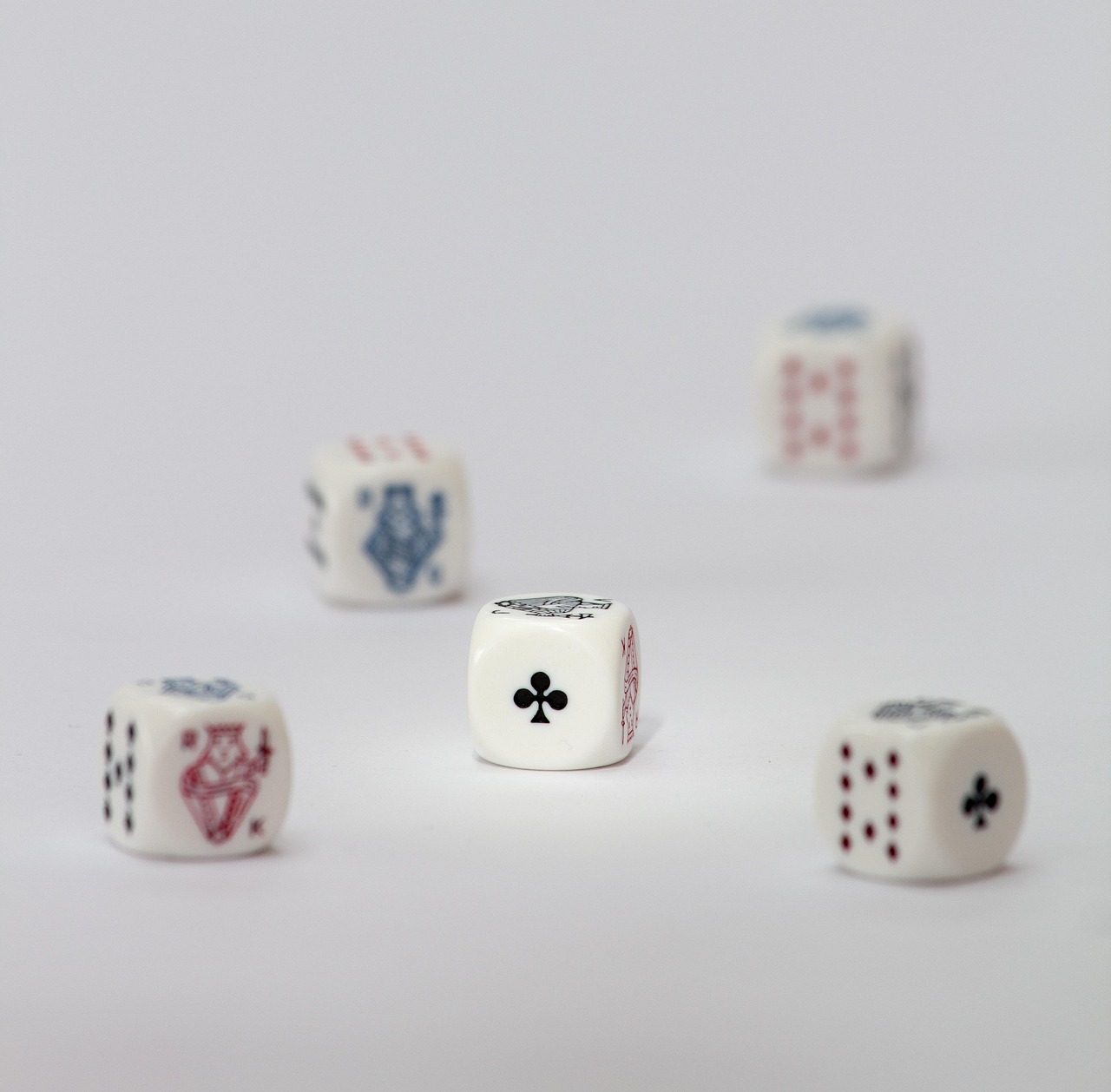
Walk into a modern online casino at 2 a.m. and you won't find neon carpets or cocktail waitresses. You'll find something stranger: a poker table with six real people on four continents, a slot machine engineered by a mathematician with a PhD, and a sportsbook that updates odds faster than you can blink. iGaming has quietly become one of the most technically sophisticated corners of the internet, and most players never look past the spin button. This is what's actually going on under the hood.
Slots get dismissed as mindless, but the genre is a triumph of probability design. Every modern video slot runs on a Random Number Generator, and the RNG isn't choosing a symbol when you press spin. It's spitting out a number thousands of times per second, even when nobody is playing. That number maps to a position on the game's virtual reels, which may be far longer than the five you see on screen.
The key figure every player should understand is RTP, or Return to Player. A slot with 96% RTP doesn't pay back 96 cents of every dollar you wager in a session. It's a long-run statistical average across millions of spins. You can hit a 500x win on spin three and still be deep underwater twenty minutes later. Volatility matters just as much as RTP: See สล็อตเว็บตรง for a side-by-side comparison.
Here's a concrete example. If a slot has 96% RTP and you spin at $1 for an hour, averaging 600 spins, you're theoretically wagering $600 and losing about $24 in expected value. That's the actual cost of entertainment, and it's why bankroll management beats "hot machine" theories every single time. The slot doesn't know you exist between spins. There is no heat. There is no cold streak. There is only variance.
Slots are entertainment with a predetermined edge. Poker is a different animal entirely. When you sit at a cash game table, you're not playing the casino. You're playing the other humans, and the casino just skims a small rake from each pot. That single structural fact changes everything.
Skill in poker isn't about knowing what beats what. It's about reading ranges. If a tight player raises from early position, their range is strong. If a loose aggressive player three-bets from the button, their range could be almost anything. Strong players build mental models of these ranges and exploit them. A few pillars worth internalizing:
The brutal truth is that most recreational players lose slowly to the rake and quickly to better opponents. The players who win consistently treat poker like a study habit, not a casino trip. Solvers, hand-history reviews, and tracking software have raised the bar dramatically over the last decade.
Sports betting looks simple. Pick a side, collect your money. But every line you see embeds a hidden tax called the vig, or juice. If both sides of a game are priced at -110, you have to risk $110 to win $100. That 10-cent spread is the bookmaker's guaranteed margin, and it means you need to win roughly 52.4% of your bets just to break even.
That number is the whole game. Sharps spend their lives trying to squeeze out that edge. They track line movement, injury reports, weather, referee tendencies, and public betting percentages. When a line moves from -3 to -4.5 an hour before kickoff, something happened, and sharp bettors want to know what. Meanwhile, the average bettor chases parlays, which stack the vig on top of itself. A four-team parlay at -110 odds each pays around 12-to-1, but the true probability of hitting all four legs is often worse than 7%. That's a terrible bet dressed as a lottery ticket.
If you want value, look for:
Not every casino is created equal. Legitimate operators carry licenses from regulators like the UK Gambling Commission, the Malta Gaming Authority, or state-level bodies in the US. Those licenses require independent audits of RNGs and published RTP figures. When you see a certified testing lab logo, you're looking at proof that the games do what they claim.
Unlicensed sites are a different story. They may alter RTPs, delay withdrawals indefinitely, or simply disappear. A few practical checks before depositing anywhere:
iGaming is consolidating and maturing. Live dealer studios are pouring millions into physical sets with real dealers streamed in HD, blending the trust of a real casino with the convenience of your couch. Crash games and instant-win titles are pulling in players who find traditional slots too slow. And AI-driven personalization is quietly shaping which games you see first, which is convenient and slightly unsettling at the same time.
Regulation is tightening in most major markets, which is good news for players who want fairness but bad news for anyone hoping to dodge taxes or play anonymously. Crypto casinos exist in a gray zone, and their long-term future depends entirely on how regulators decide to treat digital assets.
The difference between a frustrated player and a savvy one comes down to understanding the mechanics underneath the flashing lights. Slots are entertainment with a fixed cost per hour. Poker rewards study and patience. Sports betting punishes lazy picks and rewards sharp line shopping. None of it is a path to easy money, but all of it is more interesting once you understand the math, the incentives, and the operators behind the screen. Treat your bankroll like a budget, not a lottery ticket, and the whole thing becomes a far more rational hobby.

The Mellowrefuge No rushing, no fuss — just thoughtful notes and practical help, written by people who care.

April 25, 2019 at 10:46 am
Take in the iconic skyline and visit the neighbourhood hangouts that you've only ever seen on TV. Take in the iconic skyline and visit the neighbourhood.


Want to be notified when we launch a new template or an udpate. Just sign up and we'll send you a notification by email.


Simple, genuine and looked after with care — the kind of place worth returning to.

Soldman Kell
April 25, 2019 at 10:46 am
Take in the iconic skyline and visit the neighbourhood hangouts that you've only ever seen on TV. Take in the iconic skyline and visit the neighbourhood.